
Hair needs vitamin’s like iron and Vitamin D for growth. Lack of Vitamins A, B, C, D, E, zinc & iron, biotin, protein and essential fatty acids affect hair’s strengths and density. Eat more nutrient rich food instead of processed foods. Eating too much fried food can cause excess sebum and be harmful to the scalp. Drinking lots of water. Exercise cause blood circulation, produces endorphins which creates happy hormones and lowers stress.
Foods for Hair Growth
Chlorella
Pumpkin Seeds
Spirulina
Pistachios
Chickpeas
Dried Apricots
Kombucha
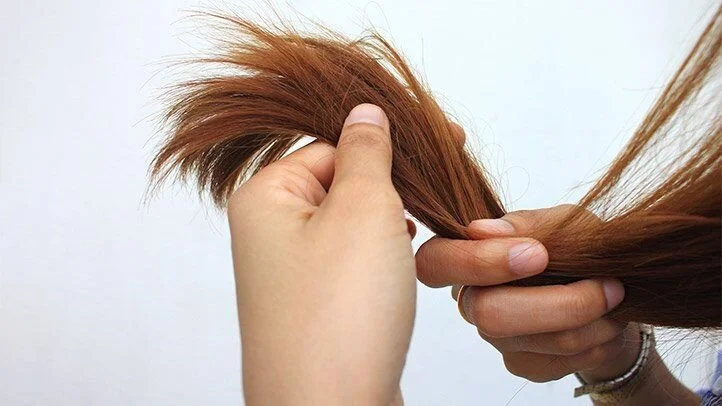
Use Jojoba as part of a hot oil treatment every two weeks to reduce frizz and split ends, while improving hair strength.- Wash your hair first, then microwave 3-6 tablespoons of Jojoba for 10 seconds, If you don’t like using the microwave you can heat it gently in a saucepan - Test the heat of the oil on your wrist, before massaging it evenly throughout your hair and scalp.- Cover your head with a shower cap for up to 20 minutes, then rinse out the oil and follow up with your normal conditioner.- Enjoy smooth, silky hair!

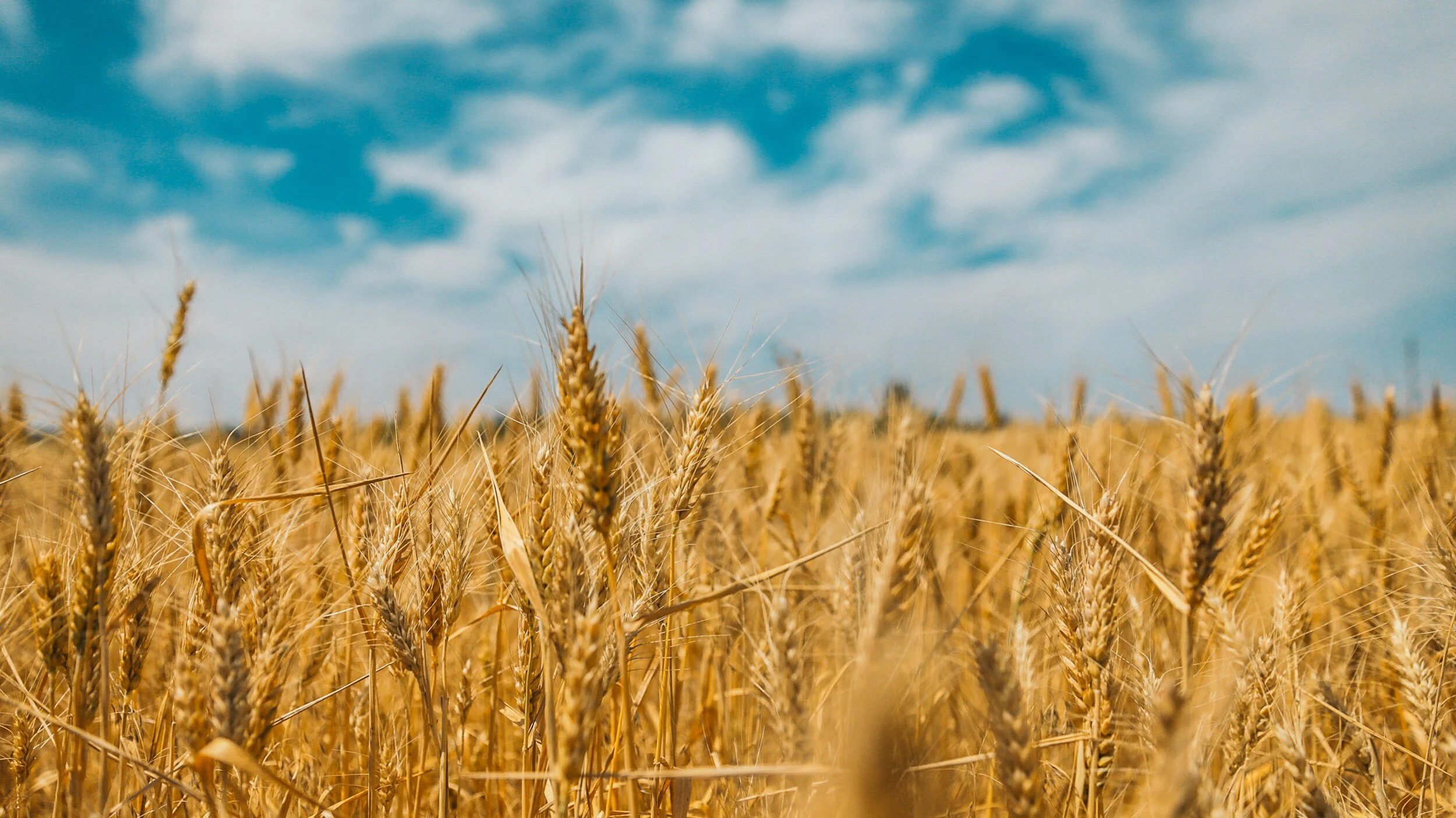
The difference between Wheat & Rice Protein
Wheat protein and rice protein are both used in hair care products for their strengthening and nourishing properties, but they have some differences in how they affect hair. - *Wheat Protein:* Wheat protein is known for its ability to penetrate the hair shaft, helping to strengthen and repair damaged hair. It can also provide moisture retention, resulting in smoother and more manageable hair. Additionally, wheat protein can help add volume to fine or thinning hair, making it appear fuller. - *Rice Protein:* Rice protein, on the other hand, is lighter and tends to coat the hair rather than penetrate it deeply. It forms a protective barrier on the hair shaft, helping to prevent damage from environmental stressors like pollution and UV rays. Rice protein is also known for its ability to add shine and smoothness to the hair without weighing it down. In summary, while both wheat protein and rice protein can improve the condition of the hair, wheat protein tends to focus more on repair and strengthening from within, while rice protein provides surface-level protection and enhancement. The choice between the two may depend on individual hair needs and preferences..